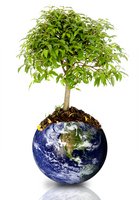
Green-Eating-Habits
Better Foods For Better Health
Improving upon green-eating-habits within the home ensures healthy-eating-for-children, yourself, and lessens your carbon footprint.
Meals don't have to be fancy to follow a set of healthy eating guidelines at home.
It's not gourmet. If you are not a cook at all you can teach yourself a few things with beginner cookbooks or online videos for healthy eating recipes. There are certainly enough of them available on the web now.
A greener way of eating simply means changing a few ways in the daily schedule of how we do things, and will certainly go a long way towards preserving the health of our kids and our environment too for a number of reasons. A healthy-eating-plan and a green eating plan are so connected, and compliment each-other well.
"Meatless Mondays" are popular in more and more households, and not just one day per week in some homes.
I don't think this is a bad thing at all. We like meat at home, but I often think certain family members eat too much red meat.
And, eating less meat for example, makes less of an impact on the environment and saves you money as well.
Did you know it takes as much as ten times the amount of fossil fuels to produce animal meat?
Massive amounts of water, land and energy are used for this purpose.
This is considerably more than what is used to produce vegetables. It can take upwards of 10,000 gallons of water to produce one pound of beef. However, approximately 50 gallons of water is needed to produce one pound of potatoes.
Poultry farming uses alot less resources as well.
Turkey more often is certainly an option. Personally, I prefer a turkey dinner to a steak anytime.
Buy your chicken whole to save, and learn how to chop it.
Try serving meatless dishes more often. You may want to try some wonderful vegetarian recipes, which are quite popular with many people these days.
Ever thought about considering high protein alternatives as an answer to Meatless Mondays? You may want to try tofu, amaranth or
quinoa
which is quite popular with many people as a substitute.
Buy healthier and sustainable fish.
Tuna fish has been terribly over-harvested, and these practices have a negative impact on the ocean ecosystems.
These fish also have a very high build-up of toxins in their meat. Many people are switching from tuna to sardines.
Plan your weekly menu if you can to avoid frequent trips to the grocery store and impulse buying convenience items.
Impulse buying has no place in a structured green-eating-habits guide that you may have worked hard to enforce at home.
Keep your freezer full. Full freezers use much less energy than one that is only partially filled.
Buy in bulk. It is much cheaper to scoop your own cereals, grains and nuts than it is to buy the overpackaged items at the grocery store.
BE AWARE. EDUCATE YOURSELF ON THE INGREDIENTS WHEN OUT SHOPPING FOR GROCERIES.
Green-eating-habits are not necessarily priority just because the package has pretty pictures of fruits on the box. Take a look at the video.
Since conventional farming requires the use of huge quantities of chemicals, pesticides and the energy to run machinery, try buying sustainable or organically produced products.
Organic farmers use considerably less fossil fuels for their growing purposes. If you buy them locally, you are not paying for the items to be hauled from long distances and having to be refrigerated while in transit.
The many varieties of heirloom vegetables play a big part in developing green-eating-habits. They are not raised industrially and not designed for long periods of shelf-life.
They are healthier for you, and some would say extra flavorful.
Get all of the benefits from your vegetables that you can. Our bodies require leafy greens for nutrition and overall good health and drinking them is much better for you. It's fun too if you can make these drinks yourself!
Improve upon your green-eating-habits. Learn just how important greens actually are for your body and visit
Green Smoothies
.
Make use of residual heat. If you are cooking noodles
or pasta, make use of that same water a second time, by cooking
shellfish for example in it. This saves wasting water and more energy needed to cook or steam your fish.
Cook outdoors a little more often. This reduces energy needed by stoves, and ovens. It cuts down on the air-conditioning needed to continually work to cool down your house as well.
For more terrific ideas on eating healthy, and some great vegetarian and vegan recipes, visit our friends at: Not-Just-Recipes
When you go out to eat, support Green Restaurants, Butcher Shops and Bakeries that serve only fresh or sustainable foods.
Bring home the doggy bag for the next day.
Give your Health a Flavor with our Smoothies Recipes
Smoothie Recipes Here and much,much more!
Are any of your children off to college or University?
Dorm Sweet Dorm
offers a unique variety of college care packages that are filled to the brim with premium eco-friendly products along with natural and organic foods that students love!
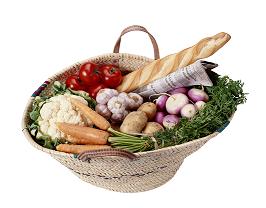
Employers are Encouraging Green-Eating-Habits
Our places of employment are like our second homes.
Employers more and more are doing their bit to contribute and make life healthier for their employees and aid in the preservation of the environment as well with green-eating-habits on the job.
They are getting rid of vending machines, and making sure juices and water are stocked in provided refrigerators.
Some have organic fruits and vegetables delivered to the job on a weekly basis from local farmers.
Large companies whose employees are required to work late into the evenings or spend extra hours on weekends are taking advantage of the caterers who specifically now supply organic and healthier individually packed lunches for people.
This is certainly a better option than having to dispose of 10 or more pizza takeout boxes.
I think this is smart on the part of the employer for a number of reasons. Not only is he or she concerned about their carbon footprint, but the benefits of healthy eating by staff can only make for a more "awake and much more productive" staff.
How many of us get into donuts and things like that at work, only to suddenly want to go to sleep after over-indulging at our desks? I know that's how I have felt.
Maybe your employer would consider making some changes if asked and made aware of the benefits to the employees, and in the long run, right back to the employer as well.
Healthy eating plans at home lead to healthy eating for kids, and they benefit in so many ways, especially in light of the reports of obesity among youngsters today. Green-eating-habits
promote environmental awareness too in young kids, and there is nothing wrong with learning about this at a young age.
A greener eating lifestyle that promotes good health is the best common-sense road to weight loss, if anyone is contemplating this.
Leave Green-Eating-Habits, Return To Kitchen Carbon Footprint
Return To Carbon-Footprint Defined Home Page



Thanks For Your Support
Green Maven!

Popular Tips
Recycling Tips
Garage Sale Tips
Laundry Room
Green Travel
The Company Money
Eco-Baby Gift
Make A Diaper Cake